Picking between a console and a gaming PC remains one of the most debated topics among players in 2026, and honestly, there's no single right answer. Both camps have loyal followings for good reason, and the decision ultimately boils down to what you value most, whether that's convenience, raw power, or a bit of both. Let's unpack the key differences so you can figure out which setup suits your habits and budget.
At a glance
- Gaming PCs offer superior raw performance and high frame rates compared to consoles, though they require a larger upfront investment.
- Consoles provide an affordable, plug-and-play experience that is highly accessible and features platform-exclusive titles.
- PC gaming allows for significant customization and hardware upgrades over time, potentially extending the lifespan of the machine compared to fixed console hardware.
- Portability is a key differentiator, with hybrid consoles like the Nintendo Switch and gaming laptops offering more flexibility than traditional desktop setups.
- Modern gaming relies on SSD technology to minimize loading times and improve the fluidity of open-world game environments.
- The choice between PC and console depends on the user's specific priorities regarding budget, performance, hardware flexibility, and lifestyle needs.
Performance and Value: Breaking Down the Numbers
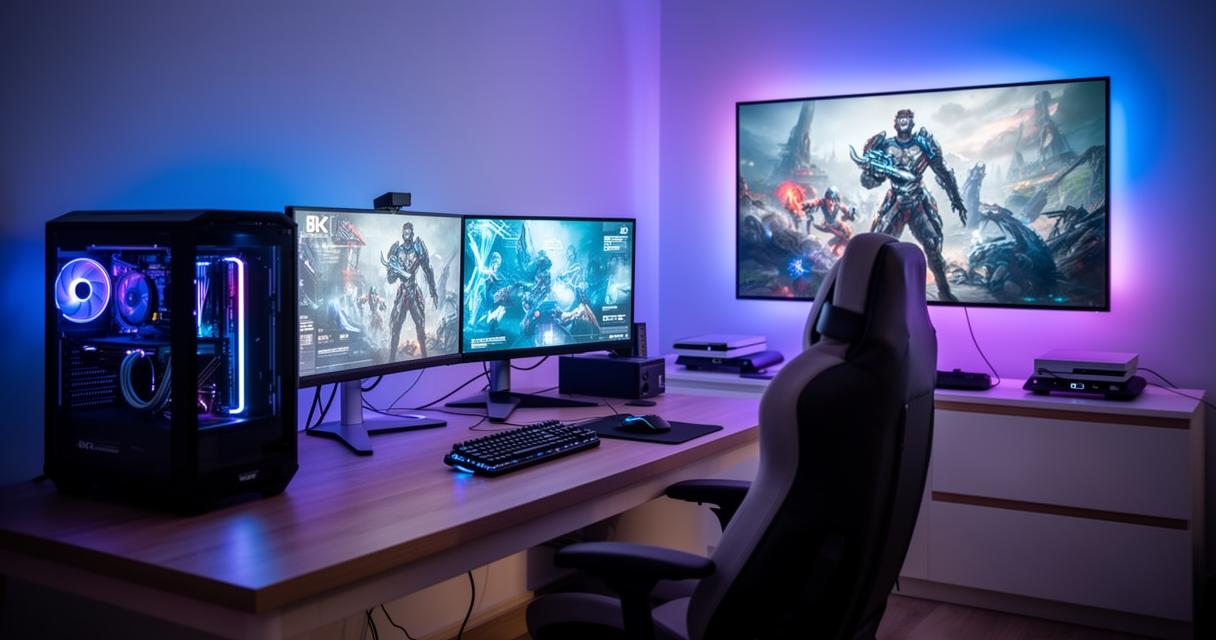
When it comes to sheer performance, a well-built gaming PC tends to have the upper hand. A decent rig can push visuals to 4K resolution while maintaining frame rates anywhere between sixty and well over one hundred and twenty FPS, depending on the game and settings. Consoles such as the PS5 and Xbox series, meanwhile, generally cap out at 4K with thirty to sixty frames per second, which is still impressive but noticeably more modest than what a top-tier PC can achieve.
Console performance at different price points
Consoles win big on affordability and simplicity. You can pick up a PS5 or an Xbox for somewhere between four hundred and five hundred dollars, and that's it, you're gaming within minutes thanks to their plug-and-play nature. There's no faffing about with drivers or compatibility checks. On top of that, both platforms offer exclusive titles that you simply won't find anywhere else, which is a huge draw for many players loyal to a particular brand.
Pc gaming rigs: customisation and raw power
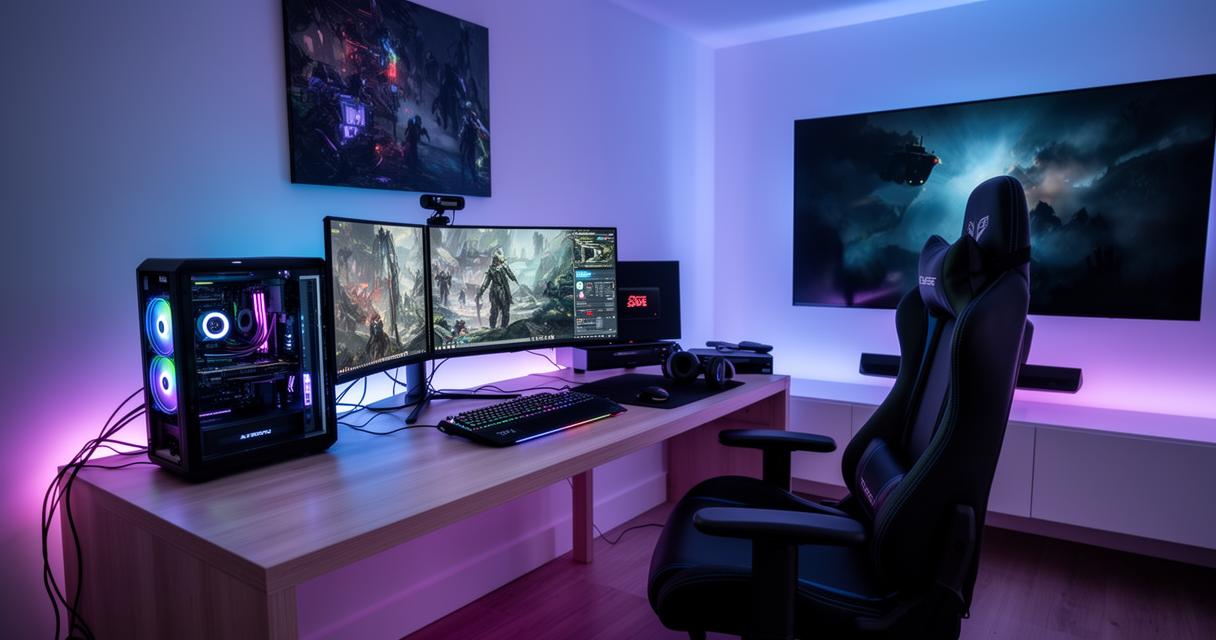
Gaming PCs, on the other hand, ask for a heftier upfront investment, typically ranging from eight hundred dollars for an entry-level build up to two thousand five hundred dollars or more for something truly high-end. The payoff is upgrade flexibility. Swap out a graphics card, add more RAM, or upgrade your storage, and your machine stays relevant far longer than fixed console hardware. This is where the total cost of ownership conversation gets interesting. Over a five-year span, a gaming PC might cost between fourteen hundred and thirty-nine hundred dollars once you factor in upgrades and games, whereas a console setup tends to land between twelve hundred and sixty and twenty-two hundred and fifty dollars across the same period. It's not always the cheaper option in the long run, but the performance ceiling is much higher.
Portability and Convenience in Modern Gaming
Not everyone wants to be tethered to a desk, and this is where the conversation shifts towards lifestyle rather than pure horsepower. Portability has become a major selling point in recent years, reshaping how people think about where and when they play.
Console mobility: the nintendo switch revolution
The Nintendo Switch changed the game, quite literally, by proving that a console doesn't need to live permanently under a television. Its hybrid design lets players dock it at home for a big-screen experience or pick it up and carry on during a commute or a lazy Sunday on the sofa. This flexibility has influenced the wider industry, with other manufacturers exploring similar hybrid concepts to capture that same sense of freedom.
Gaming laptops versus traditional desktop setups
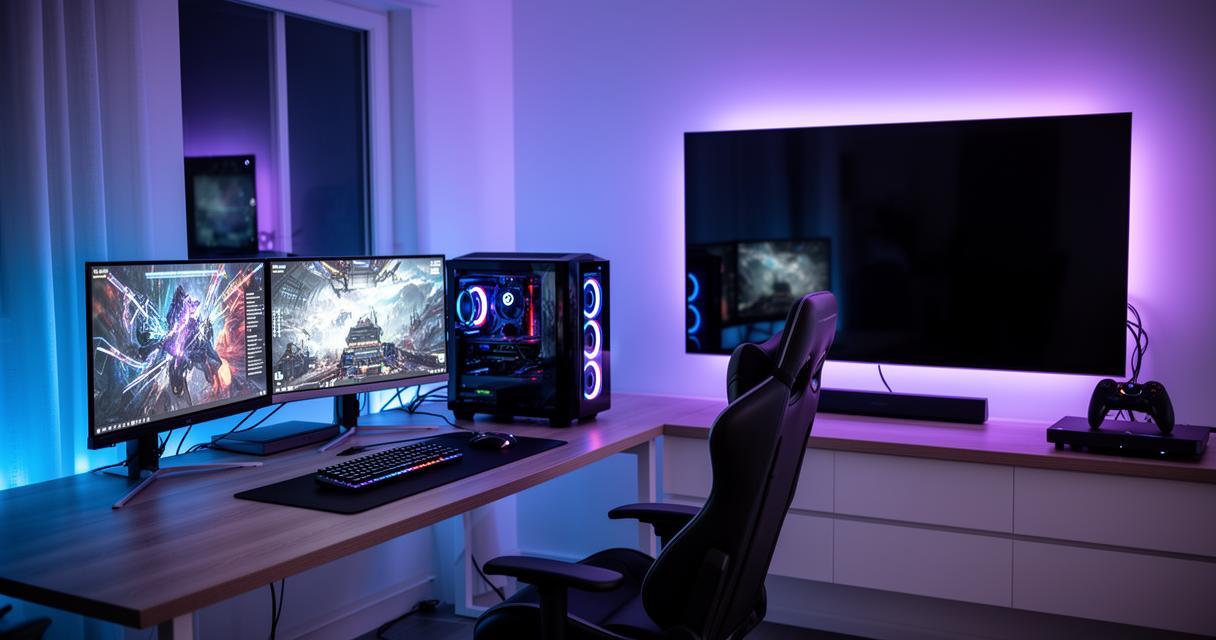
Meanwhile, gaming laptops have tried to bridge the gap between PC power and console-like portability, though they often come with trade-offs in battery life and thermal performance. A traditional desktop still reigns supreme for anyone chasing the best possible frame rates and multitasking capabilities, letting you stream, browse, and game simultaneously without breaking a sweat. Desktops also tend to offer better long-term value since components are easier to replace or upgrade compared to the soldered-in parts found in most laptops.
Technical components that shape your gaming experience
Beyond the big picture debate, it's the smaller technical details that often make or break your day-to-day enjoyment. Understanding these components helps explain why some setups feel snappier and more responsive than others.
Storage solutions: ssds and loading times
Nothing kills momentum quite like a lengthy loading screen, which is why SSDs have become the standard across both consoles and PCs. Solid-state drives dramatically cut down waiting times and make open-world games feel far more seamless. Whether you're loading a save file or fast-travelling across a map, the difference between an old mechanical hard drive and a modern SSD is night and day.
Graphics cards, processors and ram: what really matters
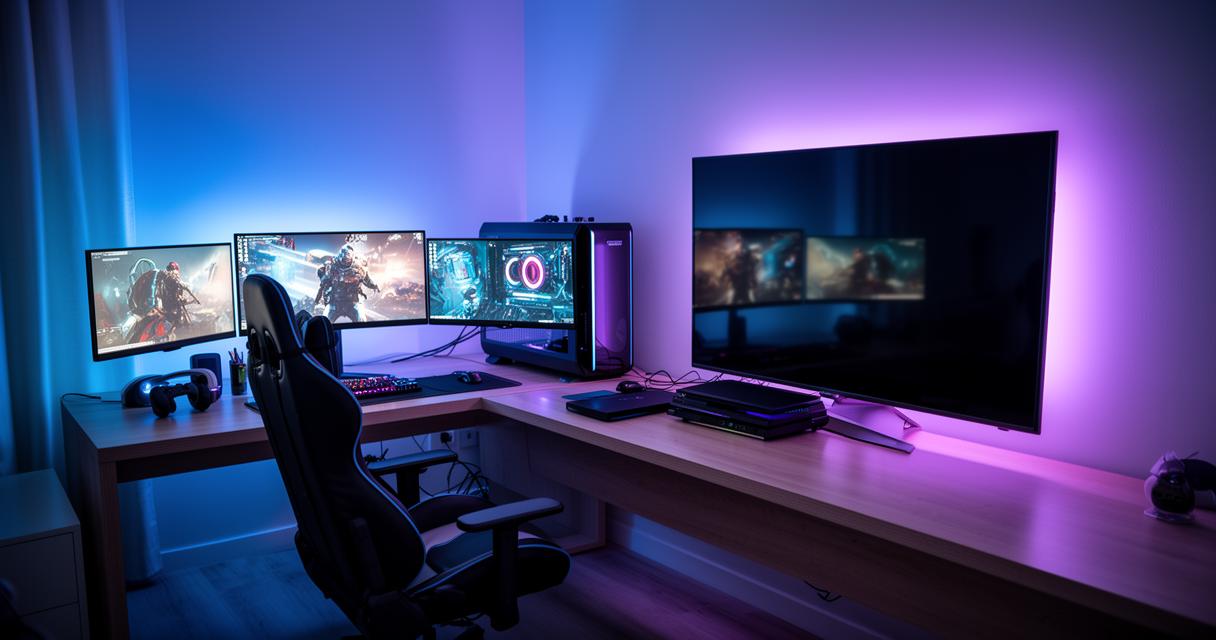
For PC builders, the trio of graphics card, processor, and memory determines almost everything about your experience. A capable Nvidia GeForce RTX card can transform visual fidelity, enabling ray tracing and smoother rendering that consoles struggle to match at the same level. Pairing that with a solid processor from either Intel or AMD, alongside sufficient RAM, ensures your system won't buckle under demanding titles or heavy multitasking. Controller preferences also play a part here, since many PC gamers switch between mouse and keyboard for precision and a gamepad for comfort during longer sessions, whereas console players are generally locked into their platform's proprietary controller design.
Ultimately, the rise of cross-play has softened some of the old rivalries, letting friends on different platforms team up or compete in the same multiplayer lobbies. Whether you prioritise a vast game library, want the freedom to tinker with hardware, or simply crave a straightforward plug-and-play experience, both consoles and PCs offer compelling paths into the world of gaming. The best choice really is the one that matches how you actually want to play.