Finding a blood pressure monitor that you can genuinely trust at home is no small task, particularly when so many devices on the market make bold claims without much evidence behind them. The Beurer BC 27 enters this crowded space as part of a well-established family of monitors, and after putting it through a thorough testing process, we wanted to share exactly how it performs, how it compares to its siblings, and whether it deserves a place on your bathroom shelf or bedside table.
In brief
- The Beurer BC 27 features a simple, ergonomic design with large buttons and a clear display, making it accessible for older users or those with limited dexterity.
- Setting up the monitor is straightforward, requiring no app downloads or complex account registrations to begin taking accurate readings.
- Independent testing of the broader Beurer blood pressure monitor range has consistently achieved 'Very Good' ratings for measurement precision.
- Clinical validation studies on similar Beurer models demonstrate that their readings closely align with the gold standard of mercury sphygmomanometers.
- The device maintains consistent performance across different user demographics, providing reliable systolic and diastolic data for regular home health monitoring.
- The monitor is engineered for daily ease of use, with a cuff designed for simple single-handed fastening and a fully automatic inflation process.
Unpacking the Beurer BC 27: First Impressions and Build Quality
Design features and ergonomic considerations
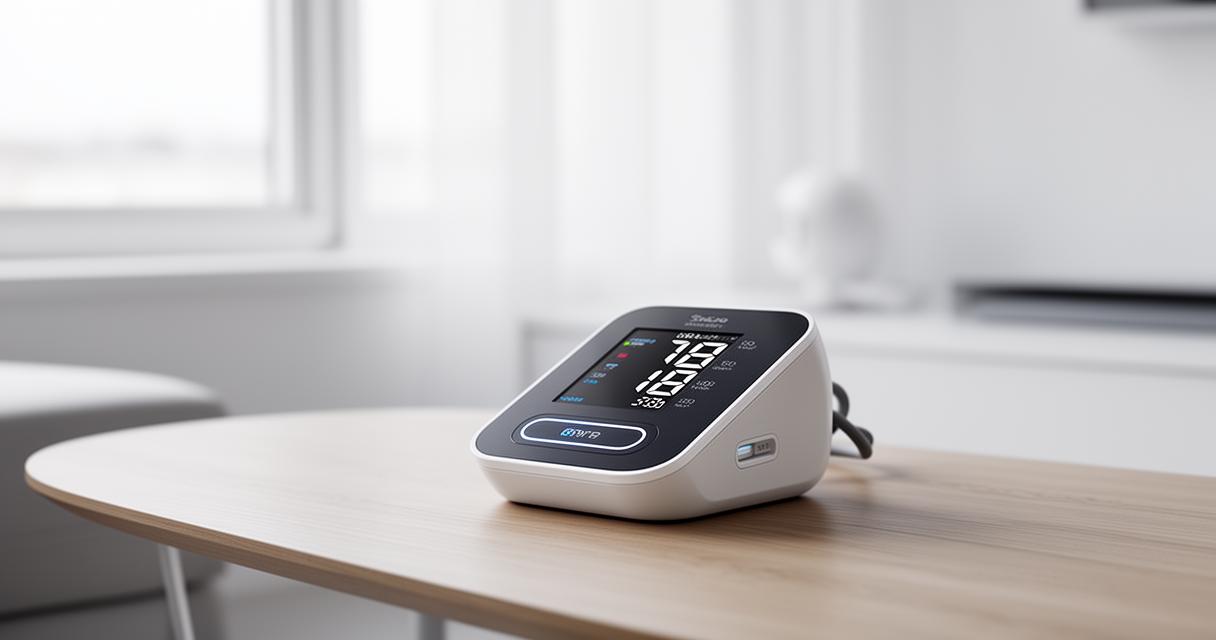
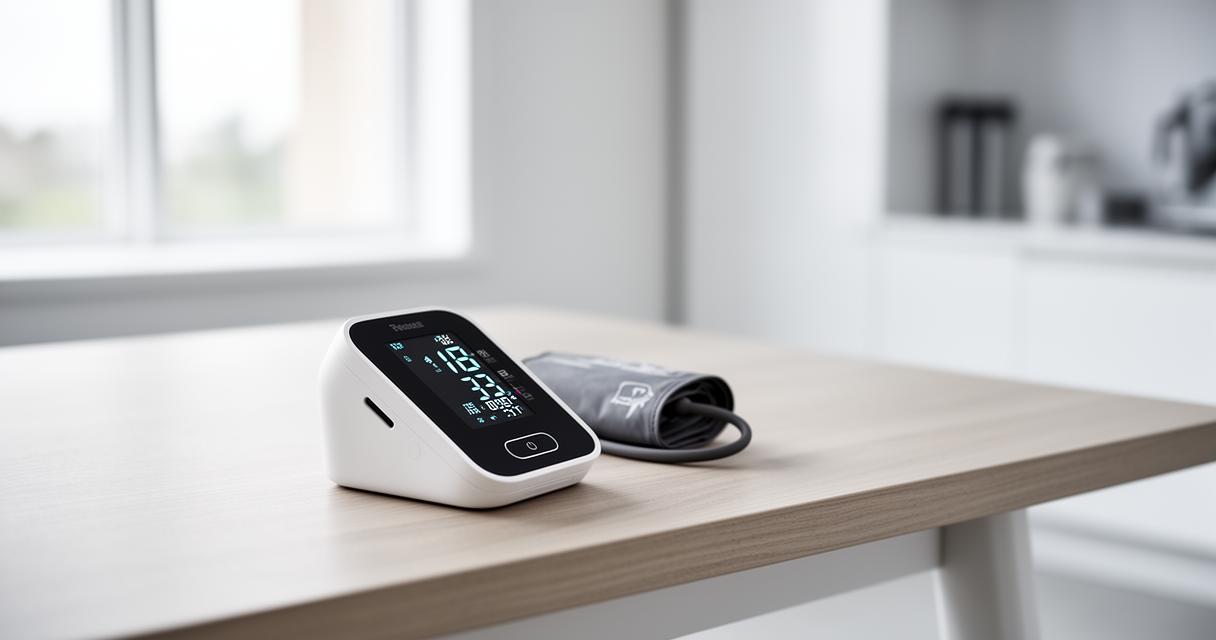
Pulling the BC 27 out of its box, the first thing that strikes you is how unfussy it looks. There's nothing gimmicky about the casing, and the buttons are sensibly sized for older hands or those with limited dexterity. This matters more than manufacturers often admit, since hypertension monitoring is frequently carried out by people who may struggle with tiny controls or cluttered screens. Beurer, a German company with decades of experience building Beurer blood pressure monitors, has clearly put thought into keeping the interface simple without stripping away useful functionality.
The display itself is generously sized, with numbers that are easy to read even in dim lighting, which is a small but meaningful touch for anyone checking their readings first thing in the morning. As part of a broader lineup that includes the Beurer BM 27 and other upper arm monitors, the BC 27 borrows much of that shared design language, favouring practicality over flashy extras.
What's Included in the Box and Initial Setup
Setup is refreshingly straightforward. Inside the packaging you'll find the monitor, a cuff sized for most adult arms, batteries to get you started, and a printed manual that actually explains things clearly rather than burying instructions in technical jargon. Getting the device running takes only a couple of minutes, and there's no need to download an app or create an account to start taking readings, which will be a relief for anyone who simply wants a reliable automatic blood pressure monitor without extra faff.
Performance testing: evaluating precision and consistency
Measurement accuracy compared to clinical standards
Accuracy is, of course, the whole point of owning a device like this, and it's here that the wider Beurer range has built a solid reputation. Independent testing carried out by ETM Testmagazin put several models through rigorous evaluation, and the results were genuinely impressive. The BM 53 topped the upper arm category with a score of 94.2 percent, earning a coveted memory recall win, while the BM 27 followed closely with 92.1 percent and the BM 28 wasn't far behind with a 92.0 percent score. Meanwhile, the BC 87 claimed victory in the wrist monitor category with a striking 95.0 percent, and every one of these models walked away with the highest possible rating of VERY GOOD.
What's particularly reassuring is that these aren't isolated marketing claims. A separate validation study looked specifically at the Beurer BM 28 and compared it against a traditional mercury sphygmomanometer, long considered the gold standard for blood pressure measurement. Researchers recruited thirty-three participants ranging from twenty-seven to eighty-one years old and ran a total of ninety-nine paired comparisons. The findings showed that the vast majority of readings for both systolic blood pressure and diastolic blood pressure fell within five millimetres of mercury of the reference device, comfortably clearing the threshold typically required for clinical acceptability. Only a single systolic reading exceeded fifteen millimetres of mercury, an outlier that didn't undermine the overall consistency of the device. The mean differences recorded were remarkably tight, and the study concluded that the monitor satisfied every requirement set out by the European Society of Hypertension, making it suitable for recommendation in everyday use.
Reliability across multiple readings and user profiles
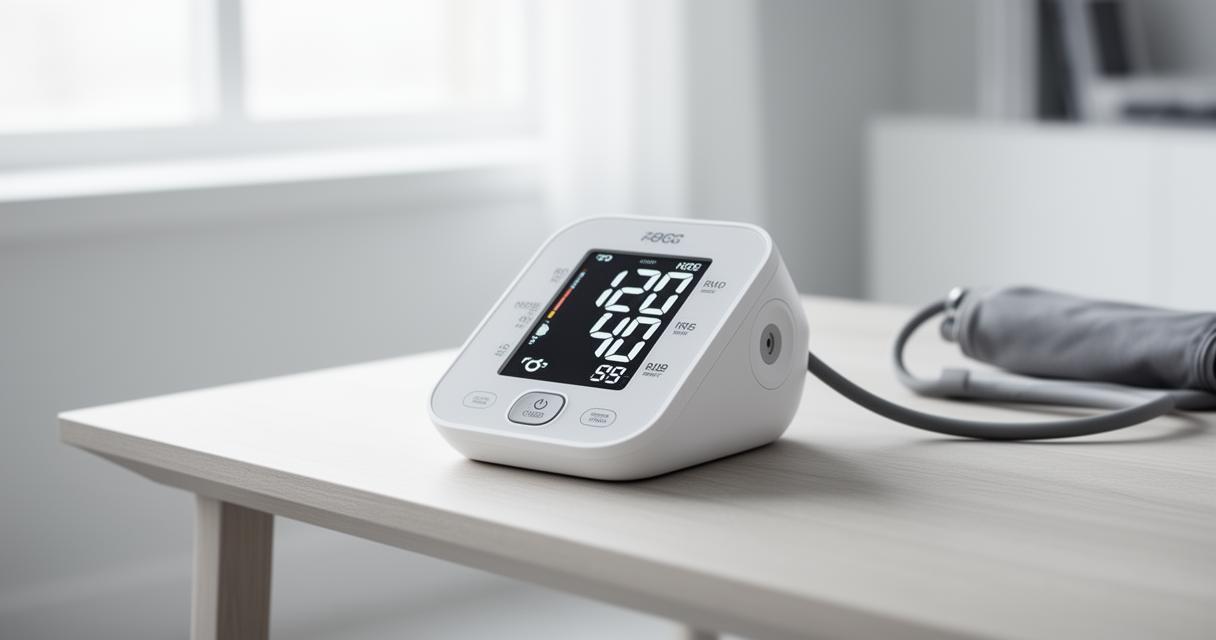
Consistency across repeated use is just as important as a single accurate reading, and this is where the BC 27's underlying technology, shared closely with its family of devices, continues to shine. Of the thirty-three subjects tested, thirty met the required accuracy threshold for systolic readings across at least two of three comparisons, while twenty-eight achieved the same for diastolic figures. These aren't just abstract percentages; they reflect real confidence that the device will behave predictably whether it's used by a younger adult or someone considerably older, which is precisely the kind of dependability you want from a piece of home health equipment.
User Experience and Practical Applications for Daily Monitoring
Ease of Use for Various Age Groups and Mobility Levels
Beyond the numbers, everyday usability makes a huge difference to whether people actually stick with monitoring their blood pressure regularly. The BC 27 benefits from the same thoughtful engineering found across Beurer's range, including devices manufactured in partnership with Globalcare Medical Technology in Guangdong, China, under Beurer GmbH's German oversight based in Ulm. The cuff is easy to fasten single-handedly, the start button requires minimal pressure, and the automatic inflation process removes any guesswork. For elderly users or anyone with reduced grip strength, this simplicity can be the difference between consistent daily checks and an abandoned device gathering dust in a drawer.
It's worth noting that, like several devices in this family, formal clinical validation specific to every individual model hasn't always been published, and compliance with the newer medical device regulation framework isn't explicitly confirmed for every variant. That said, the shared engineering lineage with proven devices such as the BM 28 offers a reasonable degree of confidence, even if a dedicated equivalence study for this exact model remains unpublished.
Long-term value and maintenance requirements
Maintenance is minimal, which is exactly what you want from a device intended for years of regular use. Battery changes are infrequent, the cuff is durable enough to withstand daily wrapping and unwrapping, and there's no calibration faff required from the user's end. Considering its availability across several European countries including Germany, the United Kingdom, Spain, France, Italy, and Hungary, spare parts and support shouldn't be difficult to source down the line. For anyone weighing up whether to invest in self-measurement devices for long-term hypertension monitoring, the BC 27 represents a sensible, well-supported choice backed by a manufacturer with a strong track record for measurement reliability and precise, everyday performance.