Spotting the check injection warning flash up on your Renault Scenic's dashboard can be unsettling, especially when you're unsure whether to pull over immediately or simply drive on with caution. This alert, sometimes accompanied by a message about the anti pollution system, is one of the more common gripes reported by Renault owners, and it's not exclusive to the Scenic either, as drivers of the Clio, Mégane, Captur, Kadjar, Talisman and Koleos often encounter the very same notification. Understanding what triggers this warning and knowing how to respond sensibly can save you from unnecessary stress and, quite possibly, a hefty repair bill down the line.
In short
- The 'check injection' warning on Renault Scenic models indicates a malfunction in the engine management system, often related to fuel delivery or emissions control.
- Warning signs like engine rough running, jerking, or power loss necessitate immediate attention, whereas normal performance may allow for careful driving to a garage.
- Common causes for the alert include faulty fuel injectors, clogged EGR valves, damaged DPF systems, or malfunctioning sensors sending incorrect data.
- Using an OBD-II diagnostic scanner is essential for retrieving specific fault codes and avoiding guesswork when identifying the root cause of the problem.
- Maintenance tasks such as fuel filter replacement and using the correct grade of engine oil are critical, as they can prevent common faults in dCi engines.
- Prompt professional repairs, which may involve cleaning or replacing specific components, are more cost-effective than ignoring persistent warning lights.
- Selecting a garage with specific experience in Renault engine management systems ensures that diagnostics and repairs are performed accurately and efficiently.
Understanding your renault scenic's injection warning light: dashboard alerts and initial diagnostics
Decoding Dashboard Notifications: What the Check Engine Light Indicates on Your Scenic
When your Scenic displays the check injection message alongside a warning about the anti pollution system, it's essentially telling you that the engine management system has detected something amiss with either the fuel delivery process or the emissions control setup. The way your car behaves afterwards matters a great deal. If the engine starts running roughly, jerking unexpectedly, or losing power in a noticeable way, that's your cue to stop as soon as it's safe and avoid pushing on further. However, if everything still feels relatively normal under the bonnet, you can typically drive carefully towards a garage without panicking, though delaying the visit for too long is never advisable.
Common Causes Behind the Injection Warning Light: From Fuel System Faults to Sensor Malfunctions
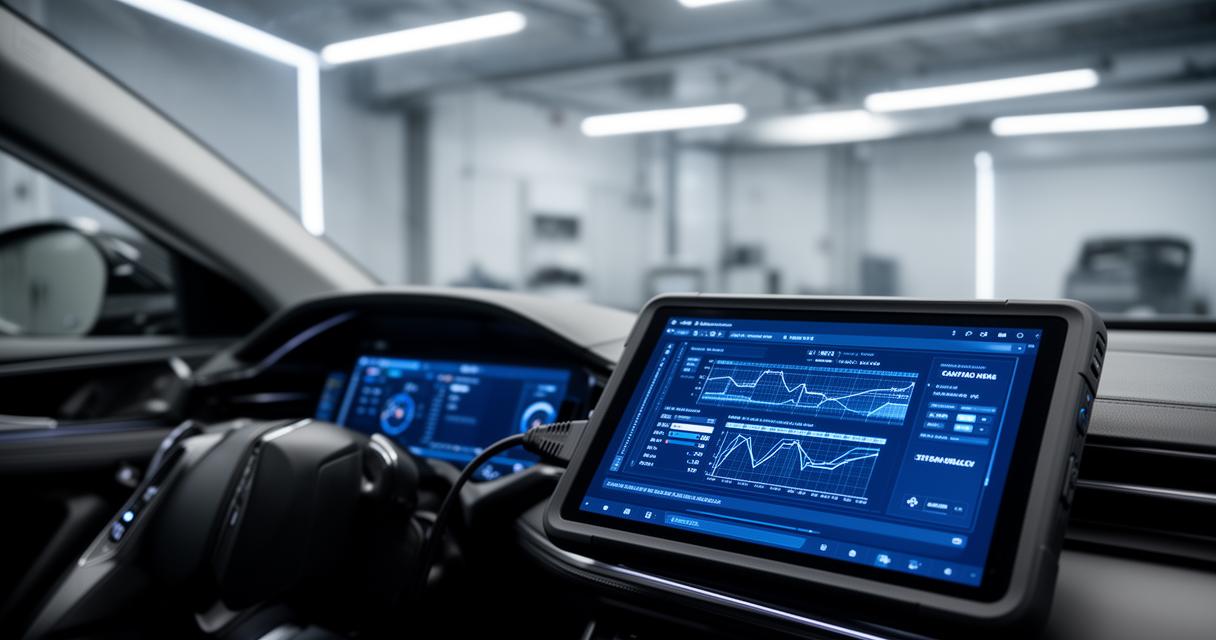
There isn't a single culprit behind this warning, which is part of what makes diagnosis tricky without proper equipment. Faulty injectors are a frequent cause, often struggling to deliver fuel at the correct pressure or timing. A clogged EGR valve can also be responsible, as can a DPF fault within the diesel particulate filter system. Malfunctioning sensors, whether related to fuel pressure or airflow, frequently send incorrect data to the engine control unit, prompting it to raise the alarm even when the actual problem is relatively minor. In short, an emissions problem and an injection fault often go hand in hand, which explains why the two warnings tend to appear together.
Comprehensive Fuel Injection System Diagnostics: Identifying Problems with Professional Tools and Techniques
Utilising Diagnostic Equipment to Read Error Codes: Precise Fault Detection in Your Renault's Engine Management System
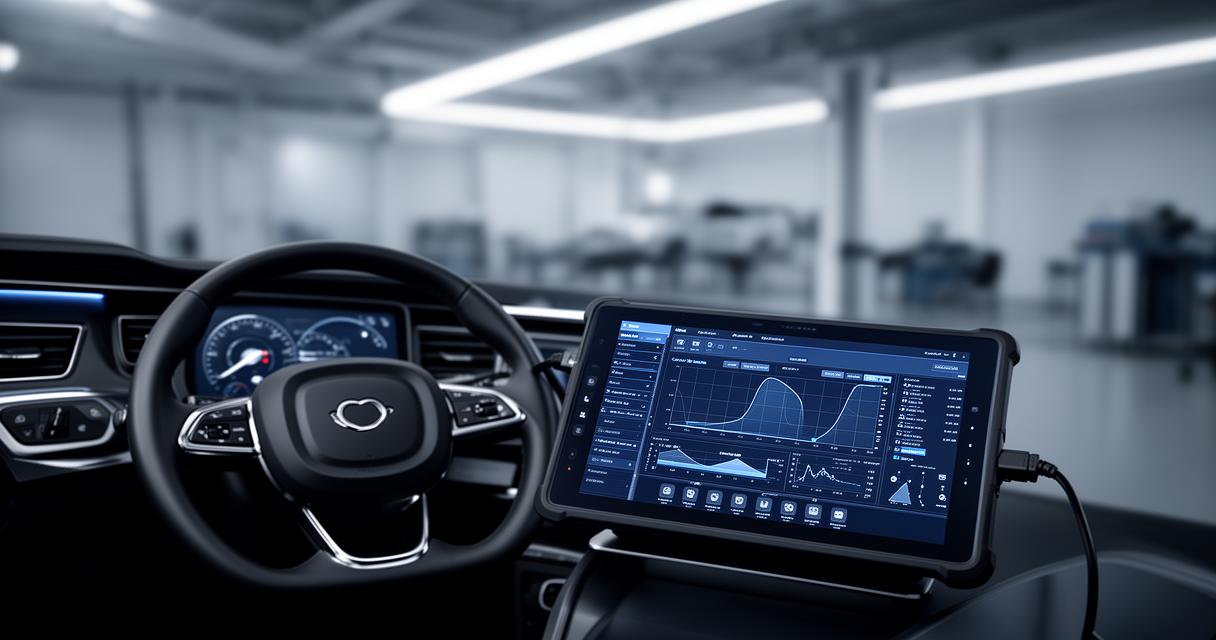
Guesswork rarely solves these issues efficiently, which is why plugging in an OBD-II diagnostic scanner is the sensible first step. This tool retrieves the fault codes stored by the engine's computer, giving a mechanic or even a competent DIY enthusiast a clearer picture of what's actually wrong. Rather than replacing parts on a hunch, reading these codes narrows down the search considerably, whether the issue lies with fuel delivery, a sensor giving faulty readings, or something within the anti pollution system itself. Once the underlying fault has been fixed, the warning lights can usually be cleared using the same scanner, or alternatively by disconnecting the battery for around ten to fifteen minutes, though this second method is more of a temporary workaround than a genuine fix.
Examining Critical Components: Injectors, Fuel Filters, EGR Valves, and Catalysts in dCi Engines
Renault's dCi diesel engines, found across many of these models, have their own quirks worth knowing about. The fuel filter tends to clog over time, particularly if fuel quality has been inconsistent, and this alone can trigger injection warnings even when the injectors themselves are perfectly fine. The EGR valve, tasked with recirculating exhaust gases to reduce emissions, is another notorious troublemaker, especially on cars used mostly for short journeys where carbon build-up accumulates more readily. The catalyst and DPF work together to manage emissions, and when either becomes blocked or damaged, engine performance and fuel delivery can both suffer. Oil quality plays a surprisingly significant role here too, as using the wrong grade or leaving it unchanged for too long accelerates wear on these delicate components.
Reliable Solutions and Finding a Trustworthy Garage: Resolving Injection Issues and Maintaining Vehicle Performance
Effective repair strategies: addressing injector problems, valve concerns, and ignition system implications
Once the fault codes have pointed towards a specific issue, repairs generally fall into a few categories. Faulty injectors might need cleaning or, in more stubborn cases, complete replacement, particularly if they've been leaking or misfiring for a while. EGR valves can sometimes be cleaned rather than replaced outright, which is a more cost-effective route when caught early. It's also worth noting that persistent injection faults can sometimes affect the ignition system indirectly, causing further rough running or hesitation if left unresolved for too long. Addressing these issues promptly, rather than hoping they'll resolve themselves, tends to be the wiser and cheaper path in the long run.
Selecting a Reputable Garage: Ensuring Quality Service, Proper Maintenance, and Anti-Pollution Management for Your Scenic
- Look for garages experienced specifically with Renault's dCi engines and their anti pollution systems
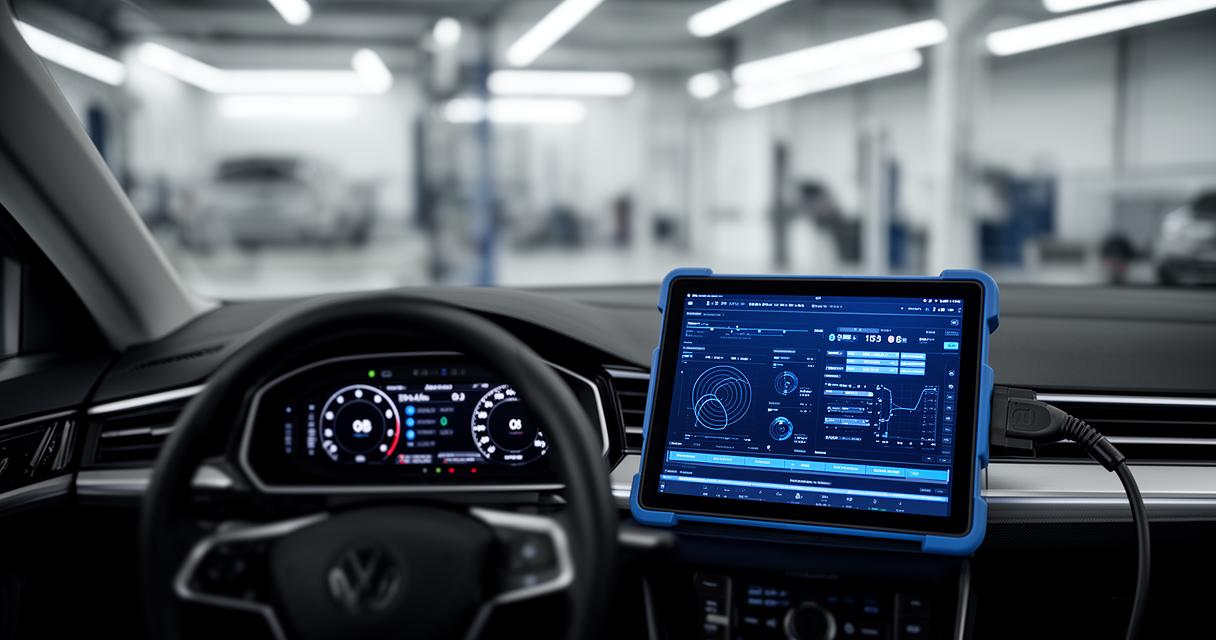
- Ask whether they use proper diagnostic scanners rather than relying purely on visual inspection
- Check reviews or ask fellow Scenic owners for recommendations before booking
Finding a garage that genuinely understands Renault's engine management quirks makes a considerable difference. Not every mechanic is equally familiar with the intricacies of the EGR valve or the specific sensors used across the Clio, Mégane, Captur and Scenic ranges, so seeking out a specialist, whether independent or a main dealer, tends to pay off. A trustworthy garage won't just clear the warning light and send you on your way; they'll explain what caused the fault, what's been done to fix it, and offer sensible advice on maintenance going forward, including how often to check oil quality and when the fuel filter might need attention. Taking this warning seriously from the outset, rather than ignoring it, is ultimately what keeps your Scenic running smoothly for years to come.